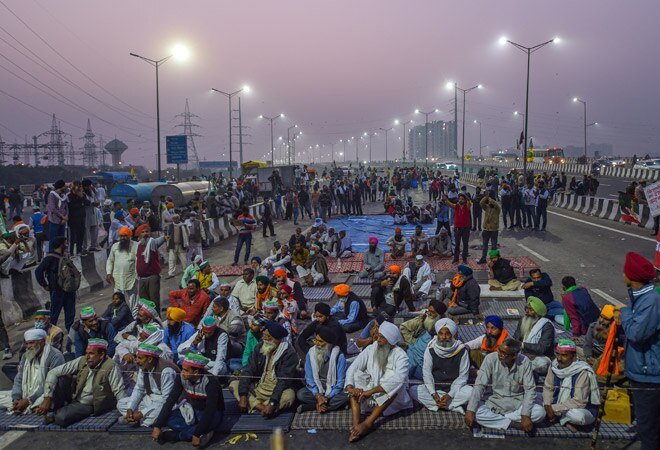

The farmers agitating on various borders of Delhi have made it clear that they will continue their agitation till the repeal of the three agricultural laws.
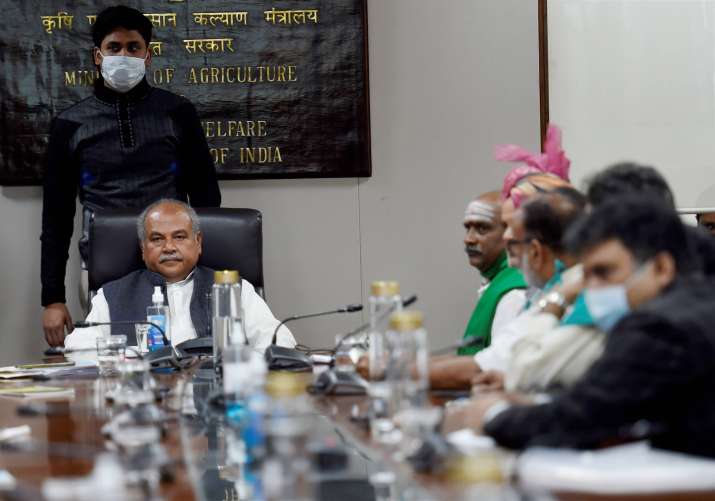
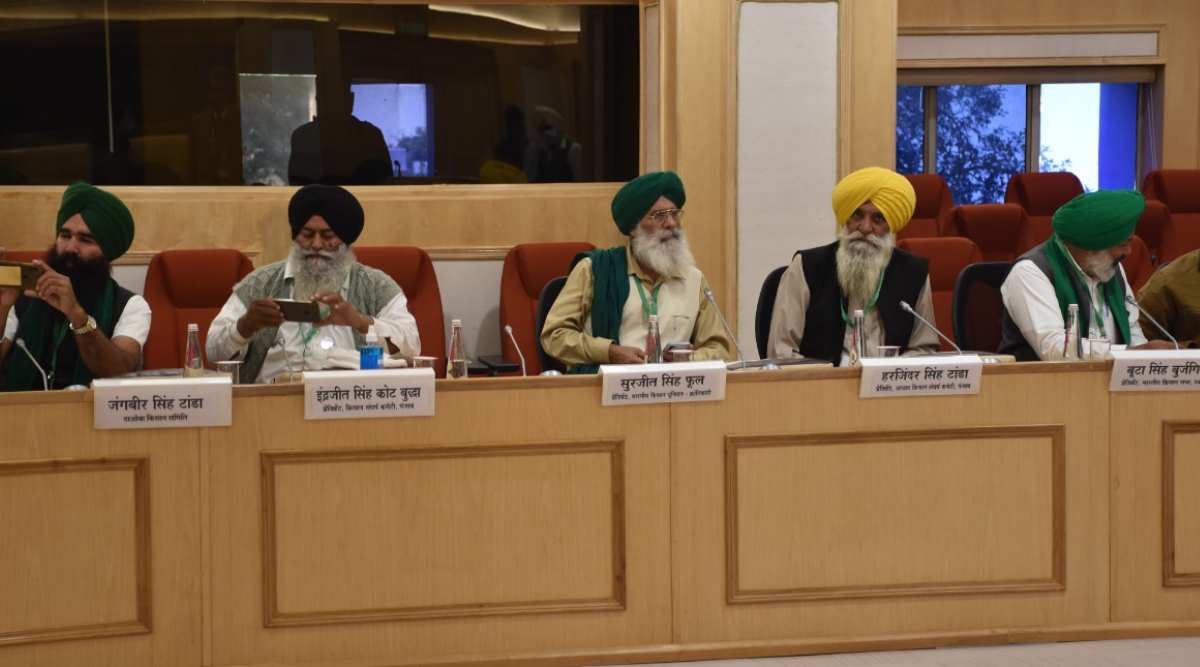
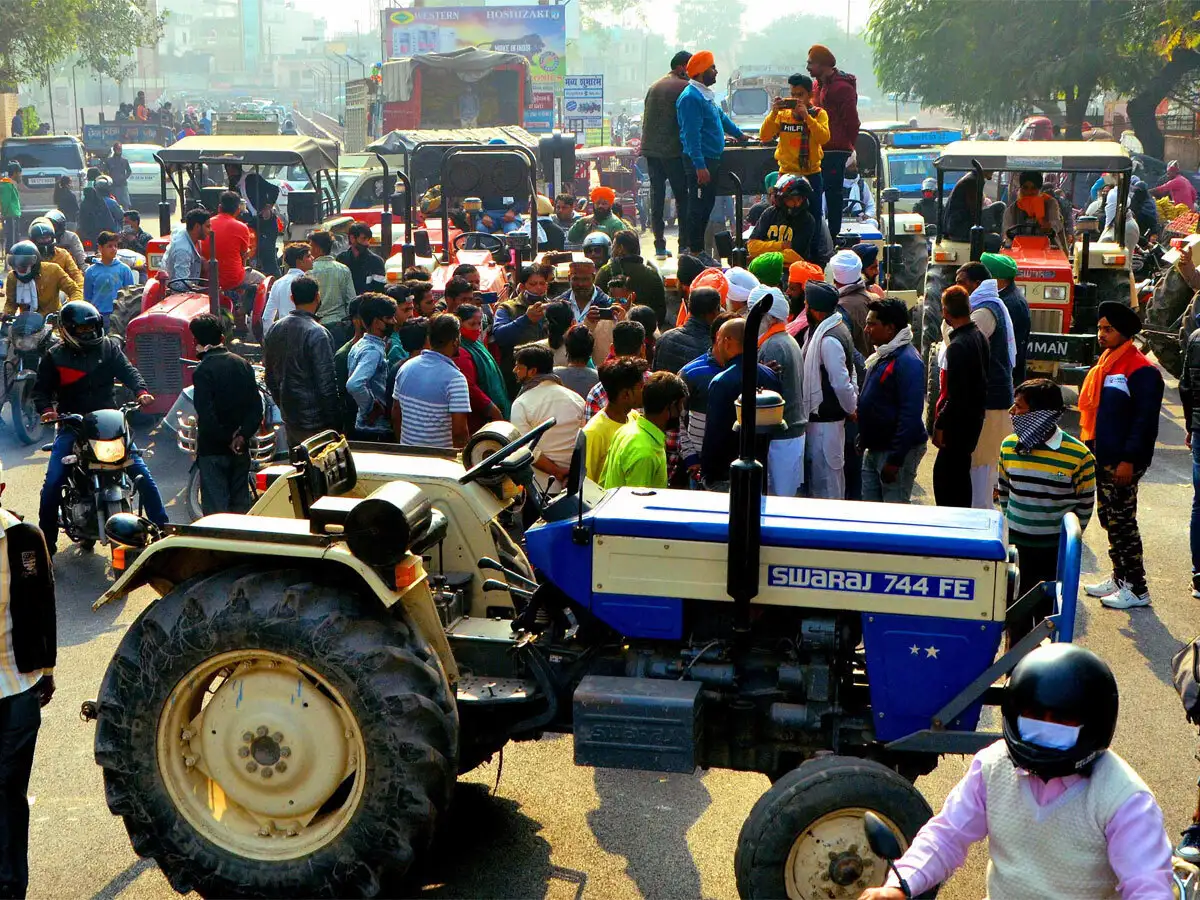
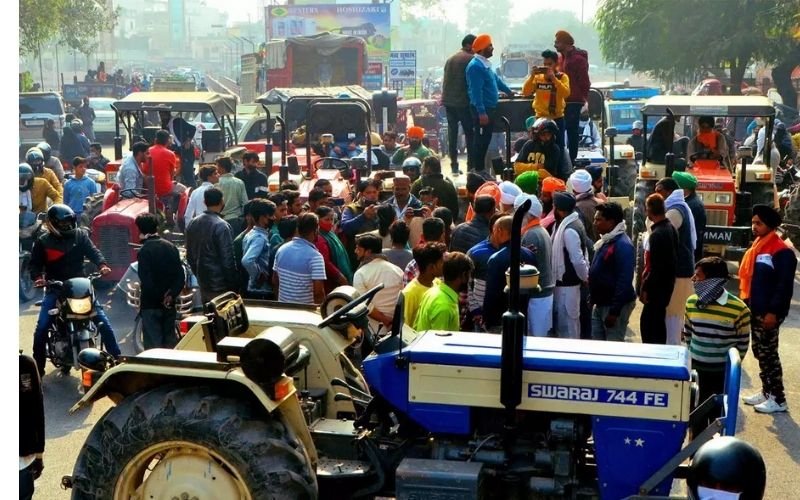
Although the 11th round of meeting between the Central Government and the Farmers Organizations took place on Friday, like previous meetings, this meeting was also inconclusive and there is no consensus for the next meeting between the two sides. But in the meantime, all eyes are now on the tractor parade on 26 January, which has finally been approved by the Delhi Police.
Delhi Police also went to the Supreme Court to stop this, but when the matter was not resolved, they started meetings with farmers.
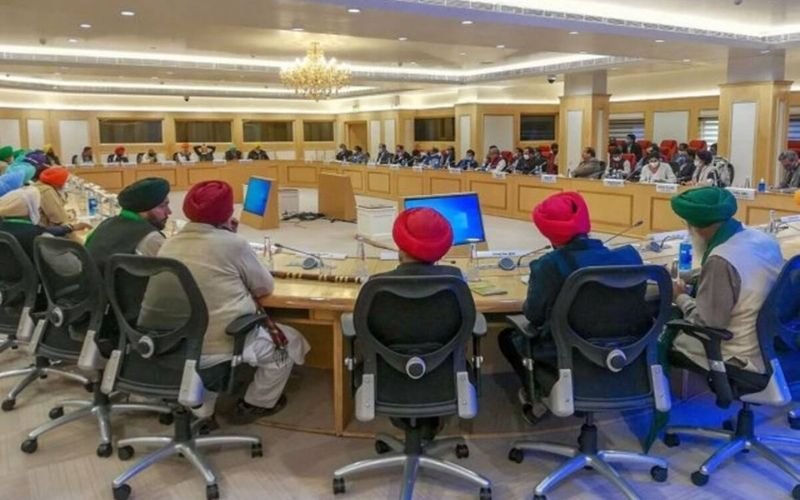
The Delhi Police had argued that they could not allow the parade on Republic Day due to security concerns. Whereas the farmers argued that they want to parade in peace and they have the right to celebrate Republic Day. The consensus was reached after five rounds of talks between the two sides.
Not only has the Delhi Police allowed tractor marches to farmers, but has also agreed to remove all obstructions. After the Bharat Bandh of 8 December, the farmers want to have a big demonstration again on 26 January through the tractor parade.
What is going on in the minds of farmer leaders about the government’s proposal?
Earlier, farmers had rehearsed on the Kundli-Manesar Highway (KMP) to protest against the agricultural bills. It is important to know how this farmer movement has reached the tractor parade of 26 January.
What has happened in the farmer movement so far?
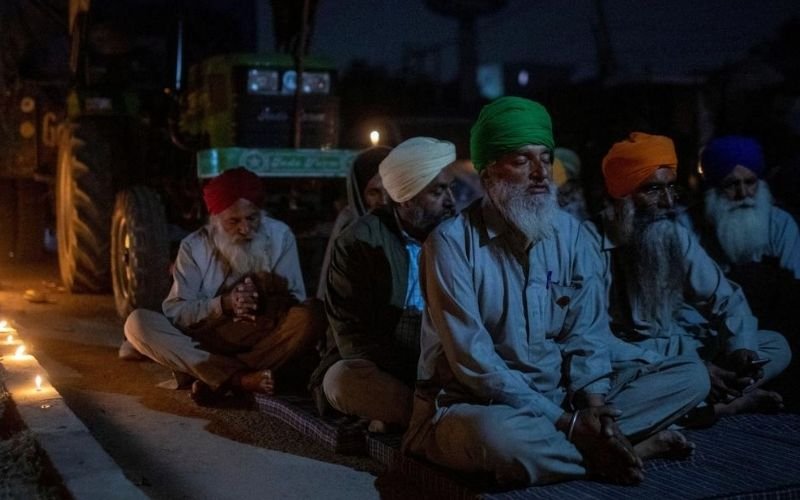
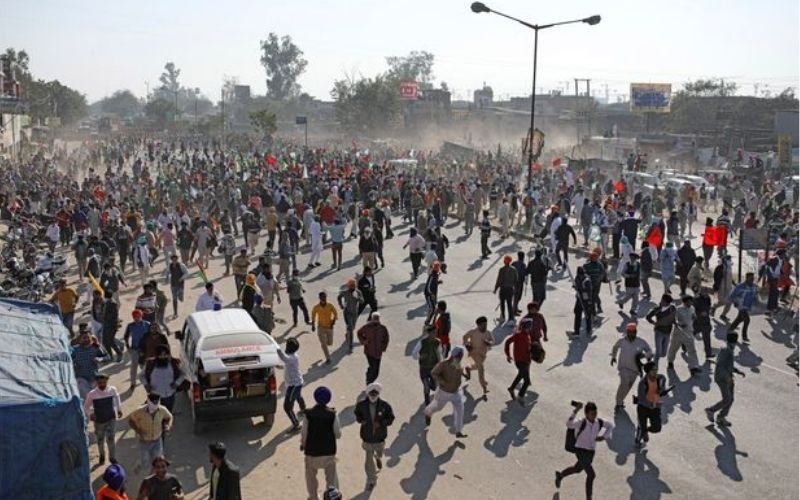
Farmers of Punjab, Haryana, Uttar Pradesh, Uttarakhand and Rajasthan have been protesting peacefully against agricultural laws on the Tikri, Singhu and Ghazipur borders of Delhi since 26 November 2020.
Meetings have been going on between the farmers and the government since October 14. But there is no result so far. During the 10th round of negotiations, the Central Government had proposed to suspend agricultural laws for a period of one and a half to two years and to constitute a joint committee to consider the laws.
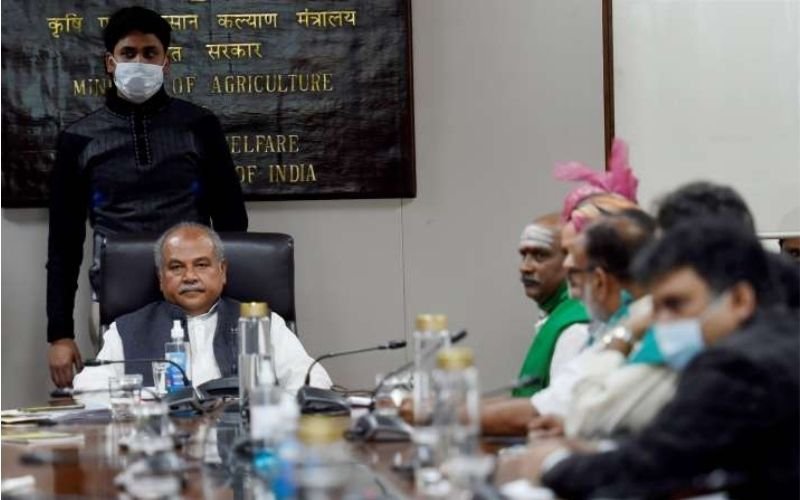
At that time it seemed that the farmers would consider this proposal, but the farmers made it clear that they want to repeal the three laws and apart from this they have nothing else to accept.
The government held talks with farmers on October 14 and November 13, before the movement started, which was fruitless. After this, the farmers of Punjab and Haryana started a march towards Delhi under the slogan ‘Delhi Chalo’.
During this movement that has been going on for almost two months, till now 11 rounds of talks have been held between the farmers and the government. In only two meetings, two demands have been agreed between the farmers and the government.
First meeting – October 14
Union Agriculture Secretary Sanjay Aggarwal attended the meeting to talk to the farmers. The farmers boycotted the meeting, saying that they had come for talks with the Agriculture Minister.
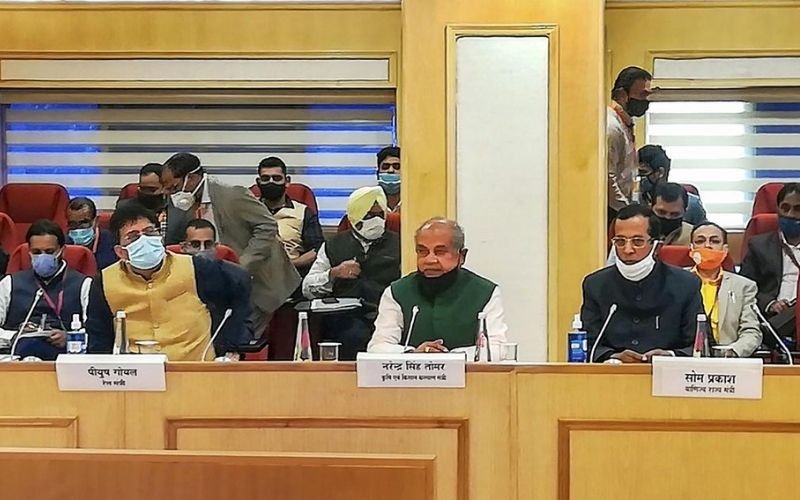
Then, on 13 November, Agriculture Minister Narendra Singh Tomar and Railway Minister Piyush Goyal held a meeting with farmer organizations. In the meeting, the government advised the farmers to form a small committee to negotiate, which the farmers rejected. The meeting lasted for about seven hours and ended without any result.
Second meeting – 1 December
There was a three-hour long meeting between the ministers of the farmers’ organizations and the Government of India. Meanwhile, the government suggested farmers to form a committee of experts on the whole matter, which was rejected by the farmers organizations.
After the meeting, Union Agriculture Minister Narendra Tomar said, “The farmers’ meeting with the Indian government is going smoothly and will be discussed again on 3 December”.
Third meeting – December 3
During this meeting, the government assured the farmer leaders that the MSP will continue and it will not be tampered in any way in future. But the farmers again demanded the government to repeal the three laws.
After the meeting, Agriculture Minister Narendra Singh Tomar said that the government has agreed to consider five points which are as follows:
- Tax should be levied in private and government markets, so that the new laws do not weaken the APMC Act.
- Only registered merchants should buy, not anyone can trade with PAN card only.
- The government will also discuss the objection the farmers have to resolve the dispute on behalf of the ACDM court.
- The government is also fully prepared to assure the farmers on the MSP.
- The government is ready to reconsider the ordinance related to electricity and stubble.
Fourth meeting – 5 December
This meeting started at 2 pm and ended at around 7 pm. In this, the farmers asked the government to answer “yes or no” to repeal the law.
Meanwhile, Agriculture Minister Narendra Tomar also appealed to the farmers leaders to send back the elderly and children involved in the struggle. Meanwhile, the farmers also called for a nationwide bandh on 8 December.
Fifth meeting – 8 December
Home Minister Amit Shah sat down with farmers late in the evening, amid the call for nationwide bandh of farmers.
A In the meeting, the Government of India spoke of sending a 22-page proposal for the farmers.
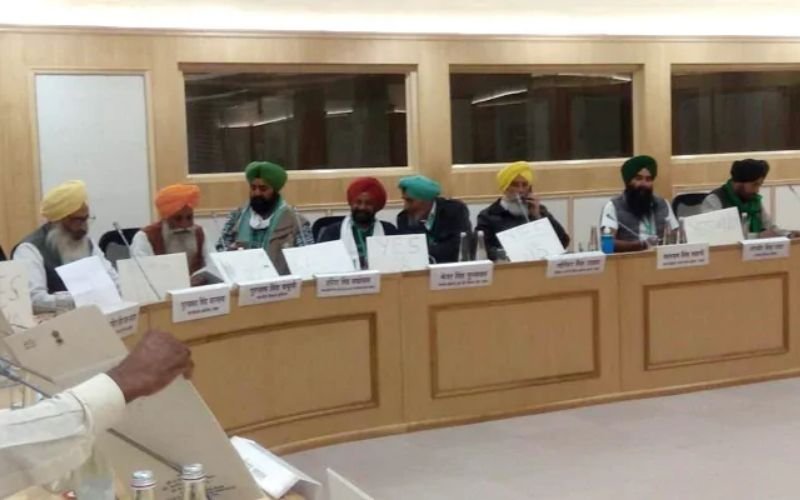
The meeting was seen as important, as it was the first time that the Home Minister was talking to the farmers. But the farmers rejected the 22-page proposal sent by the Government of India and decided to continue the movement. After this the negotiations stopped again and the farmers continued their struggle.
6th meeting – 30 December
In this meeting, the government agreed to two demands of farmers. These demands were to repeal the Electricity Amendment Act 2020 and withdraw the provision of imposing a fine of Rs 1 crore on farmers in the name of Parali.
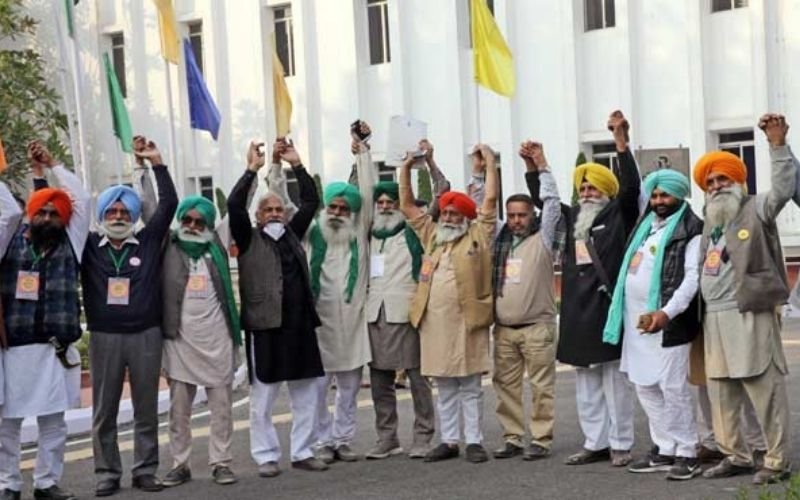
It was clear from the government’s stand that the mutual talks were going in the right direction and the government would soon make an announcement on the agricultural bills also.
7th meeting – January 4
This was the first meeting of the new year, which lasted for about four hours. The attitude of the farmers in this meeting was clear that the laws should be withdrawn. After the meeting, the Agriculture Minister said that the clap rings with both hands.
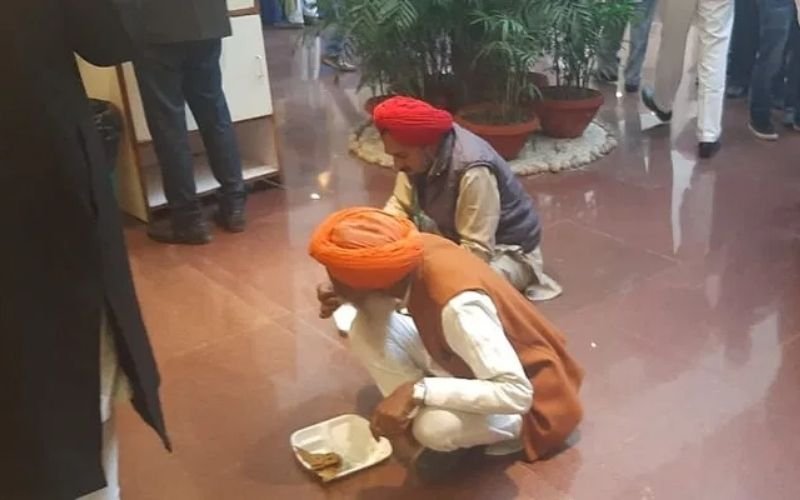
The talks between the government and the farmers ended with a note that the meeting on 8 January will discuss the demand for cancellation of agricultural laws and the legal guarantee of the MSP.
8th meeting – January 8
Nothing happened in this meeting also. In the meeting, the farmers also took a tough stance and wrote on the poster in Gurmukhi “Will win or die”.
After the meeting, Union Agriculture Minister Narendra Singh Tomar said, “In the meeting, the government kept saying that if there is any suggestion other than repeal of the laws, the government is ready to consider it.”
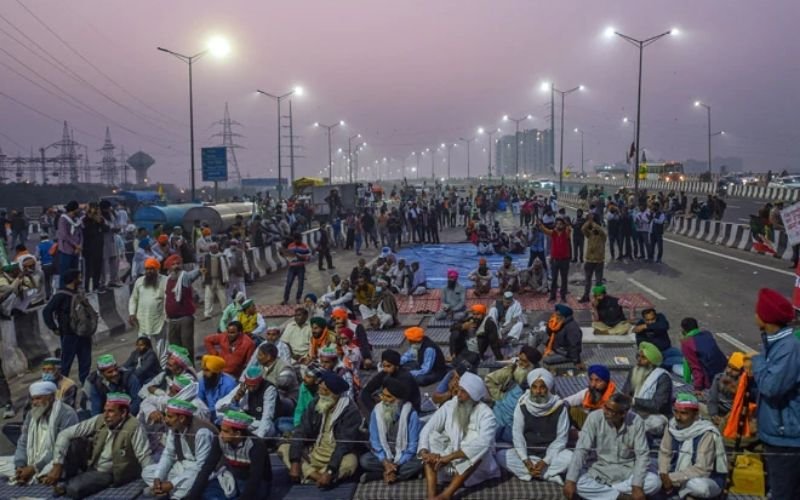
But the farmers kept talking about repealing the agricultural laws and “when no decision could be made, both the parties fixed the next meeting date as January 15. But before that on January 11, the Supreme Court on the new agricultural laws till further orders. Stalled and ordered the formation of a committee of experts. The farmers said that this is not enough and decided to continue the movement.
9th meeting – 15 January
There was no dialogue between the two sides in this meeting.
10th meeting – 20 January
In this meeting, the Central Government proposed to suspend agricultural laws for a period of one and a half to two years and to form a joint committee to consider the laws. Once again it seemed that this time things could be effective and the next meeting was called on 22 January.
11th meeting – 22 January
The farmers rejected the proposal of the Center, which ended the meeting and the government did not announce any new dates for talks.
What do experts say?
Agriculture expert Ranjit Singh Ghumman says that farmers do not really trust the government.
He said that earlier the government was assuring the farmers that the laws were very good and they would benefit from it, but as the movement intensified, the government made an idea to amend the laws, but when the farmers stood by their point, then The government agreed to postpone the laws for a year and a half.
He said that during the 2014 general elections, the BJP had promised to implement the Swaminathan Committee recommendations, but it did not materialize, so the farmers were not confident of the government’s proposals.
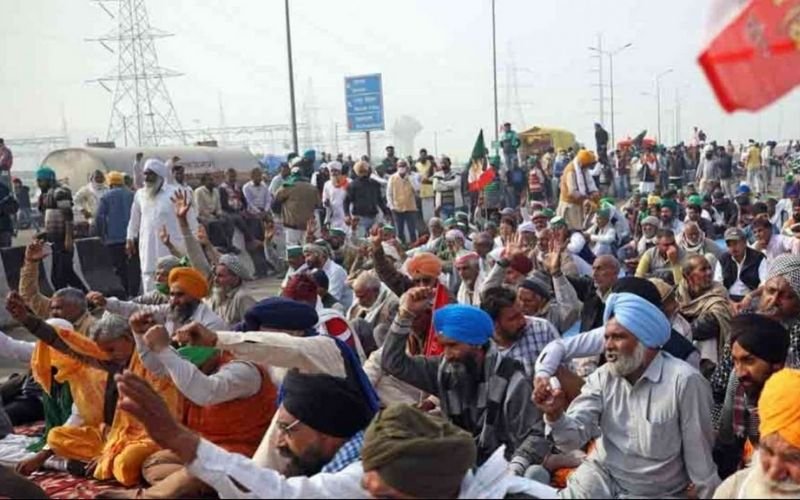
According to Ghumman, farmers feel that if the government talks about amending the new law after one and a half years, then the matter will remain the same, so the farmers are not trusting the government.
On this issue, the BBC spoke to agricultural economist Sardara Singh Johal. According to Johal, the way the government first passed these laws and then passed them without debate in Parliament and they are implemented hastily after the President’s signature, the government has lost credibility and that’s why That the farmers are not believing any thing of the government now.
He said that these laws should have been discussed before implementing them. He said that the solution to this issue is possible only through mutual talks and if one side takes two steps forward then the other party will also have to take initiative. He said that if the situation of such stubbornness is maintained, then the conversation has no meaning.